
Behind every thriving business lies a foundation of informed decision making, clear financial insight, and strategic foresight. At Sorren, we pride ourselves on delivering objective analysis, strategic guidance, and practical solutions tailored to your business goals—whether you’re planning for the long term, contemplating a transaction, or navigating operational challenges.
An estimated 75% of business owners will seek to transition out of their companies in the next ten to fifteen years. If you own a business, you likely understand how challenging that decision can be. You want a fair return for your life’s work while also protecting the employees who contributed to your success.
Selling to an outside party could result in layoffs and significant cultural changes. While they often offer an attractive price, you may lose control over the legacy you built.
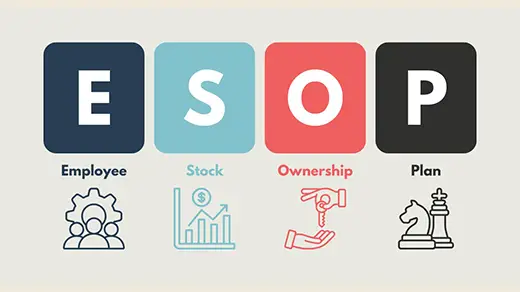
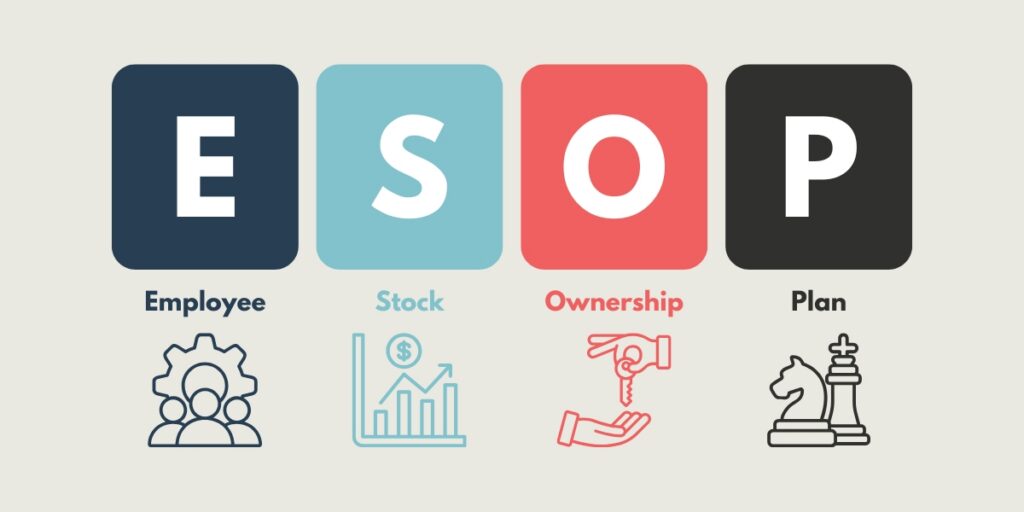
Fortunately, there is an alternative. Employee Stock Ownership Plans (ESOPs) are increasingly popular as a transition strategy for independent business owners. This guide explains what an ESOP is, its benefits, and whether it may be suitable for your company.
What Exactly Is an ESOP?
An ESOP is a qualified retirement plan governed by federal law, designed as an efficient structure for an internal business sale. Instead of selling your company to an external buyer, you sell your shares to a newly formed ESOP trust, which acts on behalf of your employees. Over time, shares are allocated to individual employee accounts, typically based on salary and years of service.
You do not simply give your company away. The company finances the purchase, often through a seller note, and repays you over time, often using pre-tax dollars. Employees gain an ownership stake, and you receive fair market value for your business.
Why ESOPs Are the Smart Choice for Business Owners
ESOPs address the main challenges of succession planning by providing liquidity while preserving legacy, typically with strong tax advantages.
Preserving Your Legacy
Selling to an ESOP allows your management team to remain in place, maintaining business continuity and independence. You can stay involved for several years to ensure a smooth transition, exiting the business on your terms.
Tax Advantages
Tax benefits are a major incentive for ESOPs, varying by corporate structure:
- S Corporations: As a qualified retirement plan, the ESOP trust pays no federal income tax. If the ESOP owns 100% of the company, the business operates tax-free at the federal level and often at the state level. This allows the company to use saved cash to pay down the seller note, invest in talent, or pursue acquisitions.
- C Corporations: Owners can sell as little as 30% of their stock to the ESOP and reinvest the proceeds in qualified replacement property, deferring capital gains taxes—potentially permanently—which can be a significant estate planning advantage.
Benefits for Employees
Employees benefit from job security and receive stock in a valuable, privately held company without personal investment. As the company repays the purchase debt and grows, the value of their shares increases. Upon retirement or departure, employees receive a payout for their shares. This ownership structure enhances recruitment and retention, as employees are motivated to think and act like owners.
The Role of Your Advisory Team
Establishing an ESOP requires experienced professionals to ensure the transaction is fair, sustainable, and compliant. Key participants include an independent trustee and a valuation firm. The trustee, representing employees, works with a third-party valuation firm to determine the business’s fair market value. After the transaction, the trustee oversees the trust, and a valuation firm updates share values annually.
Is Your Company a Good Fit?
ESOPs are not suitable for every business. Consider the following:
- Eligibility: Your business needs a capable management team to run operations post-transition. Additionally, if your company has too few employees, an ESOP is unlikely to work well. Financially, the company should be consistently profitable, ideally generating at least $1 million in annual profit with strong growth prospects.
- Costs: Initial setup costs for feasibility studies, legal fees, trustees, and valuation experts that increase with business size and complexity. Professional fees will also be incurred for ongoing annual administration, trustee, and valuation costs. Some states offer incentives to offset these costs.
- Challenges: The primary challenge is managing repurchase obligations when employees leave or retire. If the plan is poorly designed or the company is overvalued, repurchase obligations can strain cash flow. Thorough feasibility studies and conservative valuations are essential.
Take the Next Step Toward Employee Ownership
An ESOP can provide fair market value for your business, significant tax benefits, and wealth-building opportunities for employees, while preserving your company’s independence. If you are considering employee ownership, consult with an advisory team to assess your company’s suitability and design a transition plan that protects your legacy.
Ready to explore if employee ownership is right for your business? At Sorren, we’re more than advisors—we’re your strategic partners. Connect with our team to receive clear guidance and create a transition plan tailored to your goals and legacy.